3D Holiday Tree Light Box Design Guide
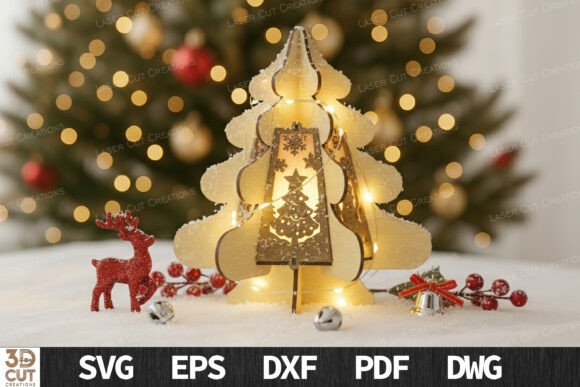
There is a distinct difference between a flat image of a Christmas tree and the tangible warmth of light filtering through layered wood. The 3D Holiday Tree Light Box Design captures that specific magic, transforming simple materials into glowing centerpieces that command attention on any dining table or mantel. Unlike standard cut-out shapes, these designs rely on depth, layering, and the interplay of shadow to create a visual experience that feels alive. When you place an LED candle inside, the layers separate visually, creating a stunning illusion of a three-dimensional forest scene right in your living room.
This aesthetic appeal goes beyond simple decoration; it represents a shift toward experiential holiday decor. The design personality is inherently nostalgic yet modern, blending the rustic charm of handcrafted wooden ornaments with the precision of digital fabrication. For designers and makers, this project offers a unique opportunity to work with negative space and translucency. Whether you are using 3mm plywood for a warm, amber glow or acrylic for a crisp, colorful effect, the structural integrity of the design ensures that the final lantern stands tall and stable, ready to become a cherished part of your holiday tradition.
Bringing Depth to Your Holiday Branding and Projects
While the primary application is physical decor, the principles behind the 3D Holiday Tree Light Box Design extend deeply into the realms of branding, marketing, and digital publishing. In the world of logo design and brand identity, the concept of layering is crucial for creating memorable visuals. Just as the lantern uses multiple layers to build depth, a strong brand often relies on the stacking of visual elements—icons, typography, and color—to communicate complexity and value.
Consider how this design philosophy applies to packaging design. A product box that mimics the layered structure of the lantern can create a sense of premium quality before it is even opened. The anticipation of peeling back layers mirrors the joy of discovering the light within the lantern. Similarly, in editorial design and magazine layouts, utilizing overlapping elements can guide the reader's eye through a story, establishing a clear visual hierarchy much like the focal point of the glowing tree.
For digital creators working on web design or social media graphics, the "3D" aspect translates to parallax effects and depth-of-field imagery. These techniques make static screens feel dynamic and engaging. If you are a small business owner looking to differentiate your holiday campaign, incorporating the visual language of depth and light can elevate your content above the sea of flat, generic stock photos. It signals to your audience that you value craftsmanship and detail, traits that resonate strongly with consumers aged 20 to 50 who appreciate authentic experiences over mass-produced trends.
The Intersection of Craftsmanship and Digital Precision
Creating a high-quality 3D Holiday Tree Light Box Design requires a harmonious balance between artistic vision and technical execution. This is where the choice of file formats becomes critical. The availability of SVG, DXF, PDF, EPS, and DWG files ensures compatibility with a wide range of laser cutting machines, from the popular Glowforge to professional xTool systems and software like Lightburn. Each format serves a specific purpose in the workflow, allowing for precise adjustments before the machine ever starts cutting.
When selecting materials, the recommendation for 3mm wood, MDF, or acrylic is not arbitrary. This thickness provides the perfect balance between structural rigidity and light transmission. Thinner materials might warp under the heat of an LED, while thicker materials could obscure the delicate details of the tree branches. Working with 3mm plywood, for instance, allows the natural grain to show through the light, adding a texture that digital images cannot replicate. Conversely, colored acrylics can transform the lantern into a vibrant statement piece, suitable for modern interiors or commercial displays.
From a manufacturing standpoint, understanding the kerf—the width of material removed by the laser—is essential for a seamless assembly. A well-designed file accounts for these tolerances, ensuring that the tabs fit snugly without forcing, which could crack the material. This level of precision is what separates a hobbyist project from a professional-grade product. For entrepreneurs looking to sell these lanterns, the ability to produce consistent, high-quality units at scale is the key to profitability. The included vector files streamline this process, reducing setup time and minimizing waste.
Strategic Considerations for Makers and Designers
- Material Selection: Choose birch plywood for a classic, warm look or acrylic for a contemporary, colorful finish. Always test a small section first to determine the optimal power and speed settings for your specific machine.
- Lighting Choices: Warm white LEDs (2700K-3000K) enhance the cozy atmosphere, while cool white or RGB lights can offer versatility for different moods or events.
- Assembly Techniques: Use cyanoacrylate (super glue) for quick bonding on acrylic or wood glue for a stronger hold on MDF. Ensure all surfaces are clean and free of soot before gluing.
- Commercial Viability: Evaluate the cost of materials versus the perceived value. A well-assembled lantern with a branded base can command a higher price point in boutique gift shops or online marketplaces.
Elevating Visual Hierarchy Through Layered Design
In graphic design, we often talk about font pairing and the use of serif versus sans serif typefaces to establish tone. While the 3D Holiday Tree Light Box Design does not involve typography directly, it operates on similar principles of visual communication. The layers act as a form of non-verbal hierarchy. The outermost layer frames the scene, the middle layers add context and detail, and the innermost layer, illuminated by the light source, becomes the focal point.
This approach to visual storytelling is highly effective in modern typography and layout design. Just as a display font grabs attention in a headline, the glowing core of the lantern draws the eye immediately. The surrounding layers provide support, much like body text supports a headline. Understanding this relationship helps designers create more cohesive and impactful projects, whether they are designing a poster, a website landing page, or a physical product.
Furthermore, the consistency of the design contributes to professionalism. A lantern where the layers align perfectly conveys a message of care and quality. In contrast, misaligned layers can detract from the overall appeal, regardless of how beautiful the individual pieces are. This attention to detail is what builds trust with an audience. For bloggers and content creators featuring this project, highlighting the precision of the assembly process adds value to the narrative, demonstrating expertise and dedication to the craft.
Ultimately, the 3D Holiday Tree Light Box Design is more than just a set of vector files; it is a tool for creating emotional connections. It brings the abstract concept of "holiday cheer" into a tangible form that people can touch, see, and share. Whether used as a personal keepsake, a centerpiece for a family gathering, or a product for a growing e-commerce store, its ability to transform light and shadow into a magical experience makes it a timeless addition to any creative portfolio. By mastering the nuances of this design, you unlock new possibilities for expressing creativity across both physical and digital mediums.