Geometric Planter 9 Cm Pot: A Practical Guide to Digital 3D Printing Designs
The intersection of interior design and digital fabrication has given rise to a new category of home decor: downloadable 3D models. Among these, the Geometric Planter 9 Cm Pot stands out as a specific solution for those seeking to integrate modern aesthetics into small spaces without relying on mass-produced inventory. This design is not a physical object you can hold today; rather, it is a digital file intended for owners of 3D printers who wish to manufacture their own functional art. Understanding what this product entails, how it compares to traditional pottery, and whether it fits your specific needs requires a look beyond the visual appeal of the final render.
Defining the Geometric Planter 9 Cm Pot Design
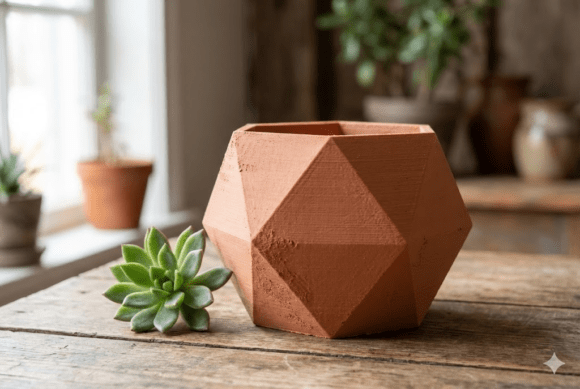
At its core, the Geometric Planter 9 Cm Pot is a CAD model optimized for additive manufacturing. The "9 cm" designation refers to the approximate diameter or height, making it an ideal vessel for small-scale flora such as succulents, cacti, or miniature houseplants. The defining characteristic of this design is its multi-faceted structure. Unlike traditional cylindrical pots, this planter utilizes sharp angles and intersecting planes to create a visually engaging aesthetic from every viewing angle.
The structural form serves a dual purpose. First, it acts as a frame, where the rigid geometric lines accentuate the organic, often chaotic shapes of living foliage. Second, the design includes a drainage hole at the bottom, a critical feature often overlooked in decorative ceramics but essential for plant health. However, the most distinct aspect of this offering is its format. It is a digital download only. To bring this design to life, you must possess access to a 3D printer and the technical knowledge to slice, calibrate, and print the file. This shifts the value proposition from purchasing a finished good to investing in a production capability.
Digital Fabrication vs. Traditional Pottery
When evaluating the Geometric Planter 9 Cm Pot, it is necessary to compare it against the standard alternatives available in retail stores. Traditional options include terracotta, ceramic, plastic, and metal pots. Each material offers different thermal properties, durability, and aesthetic qualities. For instance, terracotta breathes well, allowing moisture to evaporate through the walls, which is excellent for preventing root rot in cacti. Ceramic glazes offer water retention and a smooth finish but can be heavy and fragile.
In contrast, the 3D printed version of this planter is typically produced using PLA (Polylactic Acid) or PETG filament. These materials are lightweight and durable against impact but lack the natural porosity of clay. While the digital design allows for complex geometries that would be difficult or expensive to mold in a factory, the material limitations mean that users may need to add a secondary liner or ensure the filament quality is high enough to prevent micro-leaks over time. The tradeoff here is customization versus material tradition. If you prioritize unique shapes and the ability to match exact color codes to your room's palette, the digital route wins. If you prioritize the natural feel of earth-based materials, a traditional pot remains superior.
Evaluating Size and Spatial Fit
The 9 cm dimension places this planter firmly in the category of "desktop" or "accent" decor. It is too small for large leafy plants like Monsteras or Ficus trees but perfectly suited for the compact growth habits of succulents. When considering where to place this item, the Geometric Planter 9 Cm Pot excels in environments where space is at a premium. A desk cluttered with monitors and keyboards benefits from a sleek, contemporary touch that does not overwhelm the workspace. Similarly, narrow window sills or crowded coffee tables can accommodate multiple units of this size without creating visual congestion.
However, the size also dictates the planting strategy. Because the volume of soil is limited, these pots dry out faster than larger containers. Users must be prepared for a higher frequency of watering. Furthermore, the root system of the chosen plant must be compatible with the 9 cm depth. Attempting to force a plant with deep taproots into this container will result in stunted growth or root binding. Therefore, the decision to use this specific design should be driven by the existing flora you intend to house, rather than just the desire for a decorative object.
Comparing Cost and Long-Term Value
One of the primary considerations for any consumer is cost. Purchasing a single physical planter involves the price of the item plus shipping. Buying the Geometric Planter 9 Cm Pot involves a one-time fee for the digital file. If you already own a 3D printer, the marginal cost of producing one unit is merely the price of the filament and electricity, which is significantly lower than retail prices for comparable designer items. This makes the digital download highly economical if you plan to produce multiple units for a set or to replace broken ones.
Conversely, if you do not own a 3D printer, the barrier to entry is substantial. The cost of acquiring a reliable printer, along with the learning curve required to achieve a professional finish, far exceeds the price of buying a few pre-made pots. In this scenario, the digital file offers no immediate utility. The value of the Geometric Planter 9 Cm Pot is entirely contingent upon your existing hardware capabilities. For hobbyists and makers, it represents a high-value resource; for casual decorators, it may represent an unnecessary complexity.
Aesthetic Versatility and Customization
The "functional and stylish" promise of this design relies heavily on the user's ability to execute the print correctly. One of the strengths of 3D printing is the potential for customization. While the base file provides a specific geometric pattern, advanced users can modify the model to adjust wall thickness, change the infill density, or even alter the dimensions slightly before printing. This level of control is impossible with mass-market products.
Additionally, the choice of filament color allows the planter to blend seamlessly into various interior styles. A matte black print offers a stark, industrial contrast to green foliage, while a pastel shade can soften the geometric edges for a more playful look. The multi-faceted design catches light differently depending on the time of day, creating dynamic shadows that enhance the visual interest of the room. However, achieving this aesthetic requires attention to detail during the printing process. Layer lines, support artifacts, or warping can detract from the sleek, contemporary look the design aims to provide.
Limitations and Decision Factors
Before deciding to download the Geometric Planter 9 Cm Pot, it is crucial to weigh the limitations. The primary constraint is the requirement for a 3D printer. Without this tool, the file is useless. Even with a printer, the material—usually plastic—is not biodegradable and may degrade under prolonged exposure to direct sunlight, becoming brittle over time. This makes the planter less suitable for outdoor use compared to UV-stabilized resin or glazed ceramic.
Furthermore, the drainage hole, while present, may require post-processing. Depending on the printer's nozzle size and the design's geometry, the hole might be partially obstructed by support material or require cleaning to ensure proper water flow. Users must be willing to perform minor finishing work, such as sanding rough edges or removing support structures, to make the pot fully functional.
This design is the right choice if:
- You own a 3D printer and want to utilize your machine for practical home goods.
- You have a collection of small succulents or cacti that need uniform, modern housing.
- You prefer unique, angular designs that cannot be easily found in local retail stores.
- You are interested in the DIY process of creating your own decor.
This design may not be the right choice if:
- You need a planter immediately and do not have access to 3D printing technology.
- You are looking for a breathable, porous material like unglazed terracotta.
- You intend to place the pot outdoors where UV exposure could damage the plastic.
- You prefer the tactile warmth and weight of ceramic or stone over lightweight polymer.
Conclusion on Suitability
The Geometric Planter 9 Cm Pot represents a shift in how we acquire home decor, moving from passive consumption to active creation. It offers a sleek, contemporary solution for framing small greenery, provided the user has the means to fabricate it. Its distinct multi-faceted design adds a layer of visual complexity to desks, tables, and shelves, but it demands a level of technical engagement that traditional products do not. By understanding the tradeoffs between material properties, cost structures, and the necessity of 3D printing equipment, you can determine if this digital asset aligns with your goals for enhancing your living space. For the maker, it is a versatile tool; for everyone else, it remains a concept waiting for the right hardware.