Mastering the 3D Ocean Fish Green Tumbler Design for Professional Sublimation Results
The appeal of custom drinkware lies in its ability to merge functionality with personal expression. Among the myriad of options available, the 3D Ocean Fish Green Tumbler Design stands out as a vibrant choice for creators looking to make a splash in the market. This specific aesthetic combines the calming hues of ocean greens with dynamic marine life, creating a visual depth that flat designs often lack. However, possessing a high-quality digital file is only half the battle. Many beginners and even seasoned crafters stumble not because their equipment is inadequate, but because they misunderstand the nuances of preparing and applying complex sublimation graphics.
Understanding the technical requirements behind this stunning tumbler sublimation design is crucial for achieving professional results. Crafted with high-resolution graphics, the design ensures vivid colors and sharp details, making it ideal for sublimation printing. Yet, without proper handling, even a 300 DPI file can result in blurry prints or color mismatches. This guide explores common pitfalls associated with using this specific asset and provides actionable advice to ensure your final product matches the digital preview.
Avoiding Resolution and Scaling Errors
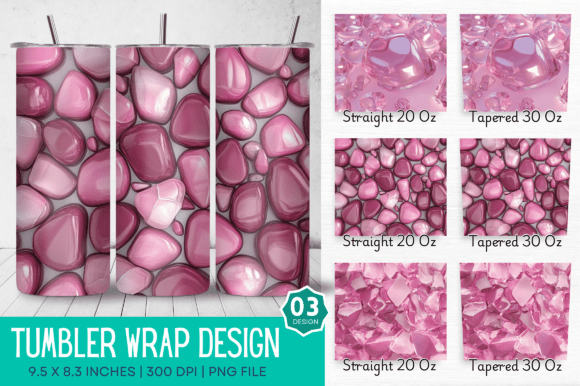
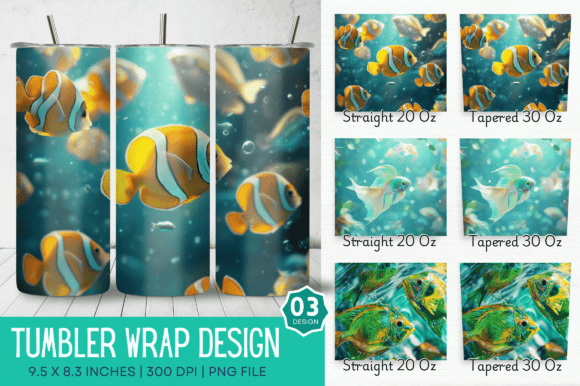
One of the most frequent mistakes creators make is assuming that any digital image will scale indefinitely without quality loss. While the 3D Ocean Fish Green Tumbler Design is provided at a high 300 DPI resolution, improper resizing can still degrade the output. The file is sized specifically at 9.5 x 8.3 inches to fit standard 20oz skinny tumblers. If you attempt to stretch this design to fit a larger mug or a different tumbler style without maintaining the aspect ratio, the intricate details of the fish scales and water textures will become pixelated.
To avoid this, always check the dimensions before printing. If you need to resize the design for other tumbler styles, do so proportionally. For those looking to expand their product line, remember that these files are versatile. They can be used to create T-shirts, hats, stickers, cups, backpacks, phone cases, blankets, and pillows. However, each application requires different scaling considerations. A design that looks perfect on a curved tumbler surface may need adjustment when applied to a flat phone case or a textured blanket. Always preview your design at 100% zoom to ensure clarity before committing to print.
Understanding the Digital Nature of the Product
A significant source of confusion for new buyers is the nature of the transaction. It is vital to recognize that this is a digital download. No physical product will be shipped. This distinction is critical for managing expectations and workflow. Some users mistakenly believe they are purchasing a pre-printed wrap or a physical tumbler, leading to frustration when they receive a PNG file instead. Ensure you have the necessary software to utilize this design for sublimation printing, such as Photoshop, Illustrator, or specialized sublimation software like Sawgrass Print Manager or Silhouette Studio.
Furthermore, because this is an instant access file, there are no returns for "buyer's remorse" regarding physical attributes. Before downloading, verify that your printer supports sublimation inks and that you have compatible sublimation paper. Using standard inkjet ink on regular paper will not transfer the vibrant green hues correctly, resulting in a washed-out, dull appearance that fails to capture the 3D effect intended by the designer.
Perfecting the Wrap and Alignment
The Seamless Wrap feature of this design is one of its strongest selling points, yet it is also where many errors occur. The design is engineered to wrap around tumblers with precision, but this requires careful alignment during the pressing phase. A common oversight is failing to account for the taper of the tumbler. Straight tapered designs require specific attention to ensure the pattern does not distort near the bottom or top edges.
To achieve a seamless look, use heat-resistant tape to secure the sublimation paper tightly against the tumbler. Any gaps or loose areas will cause ghosting, where the image appears doubled or blurred. Additionally, ensure that the seam of the design aligns perfectly at the back of the tumbler. Misalignment here can break the continuity of the ocean scene, disrupting the immersive 3D effect. Take the time to measure and mark your tumbler if necessary, especially when working with batches of products for small business crafting.
Color Management and Printer Settings
The vibrant greens and blues in the 3D Ocean Fish Green Tumbler Design rely heavily on accurate color profiling. A frequent mistake is neglecting to calibrate the printer or ignoring the specific ICC profiles recommended by the sublimation ink manufacturer. Without proper calibration, the deep ocean greens may shift toward teal or appear muddy, losing the depth that makes the design "stunning."
Always perform a test print on a small piece of sublimation paper before running a full batch. Check the color accuracy under natural light, as artificial lighting can skew perception. If the colors appear off, adjust the brightness and contrast settings in your design software rather than altering the original file’s integrity. Remember, sublimation ink behaves differently on various substrates; the white coating of the tumbler plays a significant role in how the colors pop. Ensure your tumblers are high-quality and specifically coated for sublimation to guarantee the best results.
Maximizing Versatility for Business Growth
For entrepreneurs and small business owners, this design offers more than just a single product opportunity. Its versatility allows for cross-promotion across multiple product lines. Imagine offering a matching set: a tumbler, a phone case, and a tote bag featuring the same ocean motif. This cohesive branding can significantly enhance customer satisfaction and increase average order value.
However, when expanding to items like hats or backpacks, consider the material composition. Sublimation works best on polyester or polymer-coated surfaces. Applying this design to a cotton hat without a proper coating will result in a faint, temporary image. Always verify the substrate compatibility before branching out. By understanding these limitations and leveraging the high-quality 300 DPI resolution, you can confidently offer a range of personalized gifts that stand out in a crowded marketplace.
In conclusion, the 3D Ocean Fish Green Tumbler Design is a powerful tool for creators, but its potential is only realized through careful preparation and technical understanding. By avoiding common mistakes related to scaling, alignment, and color management, you can produce professional-grade drinkware that delights customers. Whether you are creating custom gifts or building a brand, attention to detail remains the key to success. Thank you for choosing Digital_Art12 for your creative needs.